728 King Ave, Wilmington, CA, 90744
Bonded & Insured
Wilmington, CA

Roofing Contractor in Wilmington, CA Built for Salt Air, Sun & Storms

Roofs in Wilmington take a beating most people never see. Harbor salt and port diesel soot settle on every surface. Seven or eight rainless months of Southern California sun bake shingles and flat-roof membranes until they crack. Then a November atmospheric river finds every weak spot at once. Add homes that are 60 to 100 years old, sometimes with three layers of roofing, and small problems turn into ceiling stains quickly. Bulk Sunset Roofing & Repairs fixes, replaces and maintains roofs for exactly these conditions. You get clear written estimates, clean job sites and schedules we actually keep.

We work on the roofs this neighborhood really has: Craftsman bungalows near Banning Park, Spanish-style tile homes, post-war stucco ranches and the flat-roofed duplexes and garden apartments along the Avalon Blvd corridor. We also cover Harbor City, San Pedro and Carson. We know how LADBS reroof permits work, which cool-roof products meet Title 24, and why tearing off an old built-up roof can turn up asbestos-era felt. From the first consultation to the final walkthrough, we keep you updated so nothing comes as a surprise.

  • Bonded and insured
  • Free, itemized written estimates
  • Financing available
  • Serving Wilmington and a 20-mile radius
Free Estimate

Request Your Free Estimate

No obligation. Fast, honest quotes.

Prefer to talk? Call (310) 620-1106 — your details are never shared.

Credentials & Certifications BondedInsuredFinancing available
What We Do

Roofing Services for Wilmington Homes, Rentals and Businesses

Every service below is planned for harbor conditions: salt-resistant parts, cool-roof-compliant materials, and estimates that spell out what happens if we find rot under the old roof. You'll get honest options, from a targeted repair to a phased plan or a full replacement, based on your goals and budget.

★ Specialty

Roof Repair

We find the real source of the leak, which is often not directly above the stain, and fix it for good. That covers flashing, shingles, tiles, flat-roof membranes, penetrations, vents and damaged decking.

We start with a hands-on inspection, check the attic or interior when needed, and take photos of everything. Repairs use corrosion-resistant flashing and fasteners and sealants rated for UV, and we match materials to your existing roof.

Wilmington repairs usually mean rusted flashing, cracked flat-roof seams and first-storm leaks on older bungalows and duplexes. Fixing them before November keeps a small repair from becoming water damage in the middle of the rainy season.

Best for: Homeowners and landlords with localized leaks, storm or wind damage, or roofs that still have useful life and don't need replacement yet.

Explore
Roof Installation

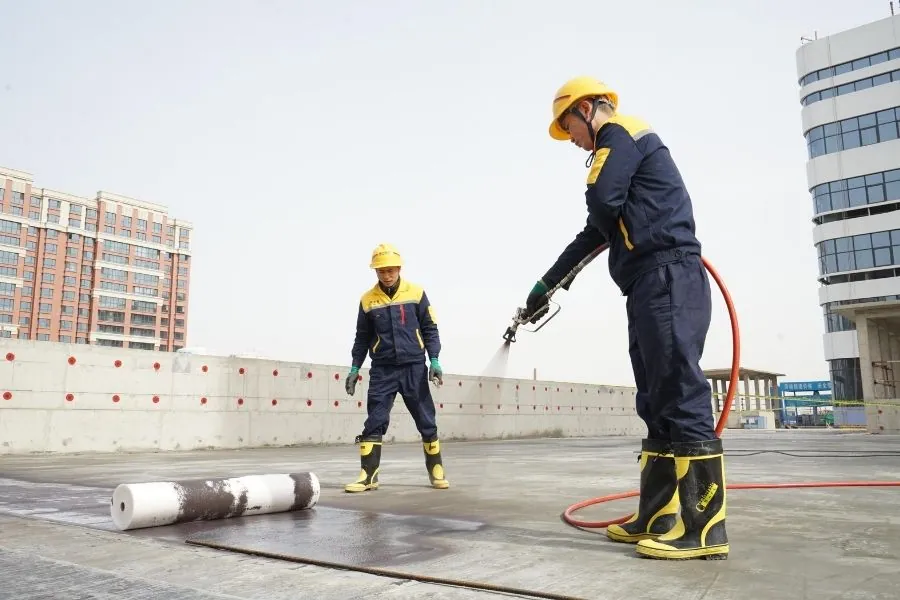
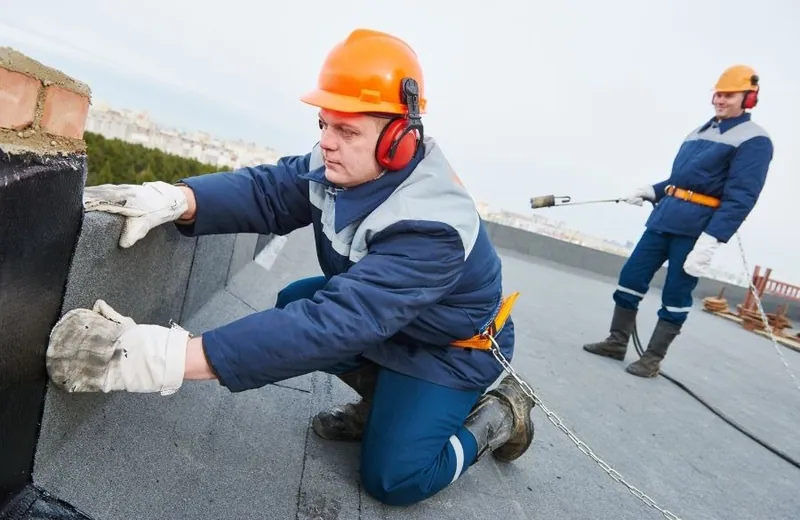
We install complete roofing systems on new construction, additions, ADUs, garage conversions and patio covers, and we tie them into the existing roof so they don't leak at the seams.

We match the system to the roof's slope, using shingle, tile, TPO, modified bitumen or metal, all CRRC-rated where cool-roof rules apply. Underlayment, ventilation and drainage are designed for the structure and coordinated with your permit.

Backyard ADUs and garage conversions are common in Wilmington, and many have low-slope roofs. Getting drainage and the tie-in right on day one avoids the ponding and junction leaks we often see on additions built years ago without permits.

Best for: Property owners building ADUs, additions or new structures who want a roof that meets LA code and is designed to drain and last.

Explore
★ Specialty

Roof Replacement

We do full tear-off and replacement for roofs at the end of their life. That includes removing old layers, replacing rotted decking, and installing a new code-compliant, cool-roof-rated system.

We remove the roof down to the deck, testing first when older materials may contain asbestos. We repair the sheathing and install new underlayment, flashing and the roofing, then finish with permit inspection and a cleanup walkthrough.

Many Wilmington homes already have two layers, so another overlay is off the table. We plan for possible dry rot up front, choose cool-roof colors and products that pass Title 24, and confirm the framing can carry tile or future solar.

Best for: Roofs 20–30+ years old, multi-layer roofs, chronic leakers, homes planning solar, and owners who need an insurable roof.

Explore

Roof Inspection

We do a thorough condition assessment of the surface, flashing, drainage, penetrations, attic and decking. You get a photo report that explains what's urgent, what can wait and roughly how much life is left.

We walk the roof where it's safe, check the attic for staining and rot, inspect metal parts for corrosion and test soft spots. Findings are written in plain language with prioritized recommendations.

With California insurers checking roof age and condition more closely, a documented inspection can help with renewals. It also makes sense before buying an older Wilmington home, adding solar, or heading into the November rain season.

Best for: Buyers, sellers, homeowners dealing with insurance renewals, solar planners and landlords managing several buildings.

Explore

Roof Maintenance

We provide scheduled upkeep that extends your roof's life: debris and soot removal, gutter and scupper clearing, sealant touch-ups, minor flashing repair and coating renewal on flat roofs.

We recommend at least one visit a year, ideally in early fall, and more often near the port. Each visit includes cleaning, a resealing check, rust treatment and photo notes so you can track changes over time.

Salt air and port and refinery fallout wear roofs out faster in Wilmington than inland. Clearing clogged scuppers and recoating before winter is one of the cheapest ways to avoid emergency leaks on flat-roof duplexes and apartments.

Best for: Flat and low-slope roofs, rental properties, tile roofs and anyone who wants to put off a full replacement as long as possible.

Explore

Commercial Roofing

We repair, recoat, maintain and replace roofs on warehouses, logistics buildings, retail, multifamily and light-industrial properties, including low-slope membranes and metal systems.

We work with TPO, modified bitumen, built-up, metal panels and elastomeric or silicone restoration coatings. Work is phased and scheduled around your operations so docks, tenants and production keep running.

Buildings along the waterfront and the Alameda Corridor deal with heavy salt and diesel particulate exposure. Fastener and panel-lap corrosion, clogged drains and coatings that wear out early are the usual issues on port-area roofs.

Best for: Warehouse and logistics operators, property managers, apartment owners and businesses that need dependable roofs with minimal downtime.

Explore

Emergency Roofing

We respond fast to active leaks, storm damage and wind damage with tarping, temporary sealing and water-intrusion control. Then we plan the permanent fix.

We secure the roof and stop the water first, then photograph the damage and the conditions for your insurance claim. After that you get a written repair or replacement estimate once the weather allows.

Wilmington's rain comes all at once from November through March, so emergencies pile up quickly. Fast tarping protects ceilings, wiring and tenant units in older homes and multifamily buildings during back-to-back storms.

Best for: Anyone with water coming inside, missing roof sections after wind, or tenant units with active leaks during a storm.

Explore
Know The Signs

Common Roofing Problems in Wilmington Homes and Buildings

Most of the roof failures we see in Wilmington trace back to the same few causes: salt, sun, soot, old construction and the short, heavy rainy season. Knowing the warning signs helps you catch problems while they're still repairs and before they turn into full replacements.

First-Storm Leaks from Hidden Flashing Failures Serious

Leaks that show up during the season's first heavy rain, usually at chimneys, walls, valleys, skylights or vents. The flashing or sealant failed months earlier, but nothing revealed it until the downpour.

Why it's common here

With 7–8 dry months, nothing tests a Wilmington roof until November or December, when an atmospheric river can drop an inch or more of rain in a day. Over the summer, UV dries out sealants and salt air pits galvanized step and counter flashing. Many older homes still have their original lead or galvanized flashing, or a patch job from a past reroof. When the storm arrives, water goes straight through those gaps, often in the middle of the night.

Signs you'll notice
  • Brown water stains on ceilings after the first rain
  • Dripping around chimney, vent pipes or skylights
  • Rust streaks below metal flashing
  • Cracked or missing caulk at wall-to-roof joints
  • Damp attic sheathing or musty smell
  • Peeling paint on interior walls near the roofline
Local patterns

We see this most in pre-1960 bungalows and stucco homes around Banning Park and central Wilmington, and on additions and patio covers tied into the main roof. Calls spike right after the first big storm between November and January.

Our fix: Remove failed flashing, replace it with corrosion-resistant metal, reseal penetrations and check the decking for water damage. Doing this in early fall is the best way to avoid an emergency call.

Ponding Water and Membrane Cracks on Flat Roofs Serious

Standing water that stays on a low-slope roof for more than 48 hours after rain, combined with cracked, blistered or alligatored built-up, rolled or modified-bitumen surfaces that let water reach the deck.

Why it's common here

Wilmington has a lot of flat roofs: dingbat and garden apartments, duplexes, garages, ADUs and parapet-style Spanish homes. Many have undersized or clogged scuppers and drains, and port soot and debris make the clogging worse. Months of intense sun crack the membrane, and when rain finally comes, ponding water finds those cracks. Sagging decks from old dry rot make the low spots deeper every year.

Signs you'll notice
  • Puddles or dried water rings on the roof surface
  • Blistering or bubbling membrane
  • Alligator-pattern cracking on coatings
  • Clogged scuppers or downspouts
  • Ceiling leaks in top-floor units
  • Soft or spongy spots underfoot
Local patterns

This is common on 1950s–70s apartments along the Avalon Blvd corridor, fourplexes in East Wilmington and detached garages throughout the neighborhood. Landlords often hear about it first through tenant complaints after winter storms.

Our fix: Clear and resize drains or scuppers, repair or re-slope low areas, then recoat or replace the membrane with a cool-roof-compliant system such as mod-bit, TPO or silicone coating.

Rusted Flashing, Fasteners, Vents and HVAC Curbs Moderate

Corrosion of metal roof parts such as flashing, nails, vent caps, gutters, equipment curbs and metal panels. It weakens seals, opens holes and leaves rust stains that spread across roofing and stucco.

Why it's common here

Wilmington sits right on the LA Harbor, and the marine layer leaves salt-laden moisture on roofs most mornings. On top of that, the port, refineries and diesel truck routes drop particulates that hold that moisture against the metal. The result is rust on standard galvanized parts years ahead of schedule. Rooftop HVAC curbs on apartments and commercial buildings are especially vulnerable because the seams there flex with equipment vibration.

Signs you'll notice
  • Orange rust on flashing or vent caps
  • Rust stains running down stucco walls
  • Pinholes in gutters or metal panels
  • Loose or backed-out roofing nails
  • Leaks around rooftop AC units
  • Flaking paint on metal roof parts
Local patterns

This is worst near the waterfront, Terminal Island and East Wilmington by the Alameda Corridor, but we find it citywide. Warehouses and truck-yard buildings with metal roofs show it first at fasteners and panel laps.

Our fix: Replace corroded parts with coated, aluminum or stainless options, reseal curbs and penetrations, and treat or recoat salvageable metal to slow further rust.

Cracked Tiles and Failed Tile Underlayment Serious

Clay or concrete tiles can look fine from the street while the underlayment beneath them has dried out and torn. Water gets past broken or slipped tiles and goes straight into the deck.

Why it's common here

Wilmington's 1920s–30s Spanish Colonial Revival homes and some later tile houses often have underlayment 20–30+ years old. In this sun-heavy climate, felt underlayment becomes brittle long before the tiles wear out. Earthquakes, foot traffic from past contractors or solar installers, and loose fasteners crack or shift tiles. Older framing may also sag under the weight, which opens gaps.

Signs you'll notice
  • Cracked, chipped or slipped tiles
  • Visible black underlayment between tiles
  • Leaks with no obvious damaged tile
  • Sagging roof lines
  • Debris buildup in valleys
  • Tile pieces found in gutters or yard
Local patterns

We find this on Spanish-style homes around Banning Park and older streets in Wilmington and San Pedro, along with tile homes in Harbor City and Lomita where the original underlayment has never been replaced.

Our fix: Lift and set the tiles aside, install new high-temperature underlayment and flashing, replace broken tiles with matches, and reset the tiles with proper seismic-rated fastening.

Brittle, Curling or Wind-Lifted Asphalt Shingles Moderate

Aging 3-tab or architectural shingles that have lost their oils and granules. They curl, crack and come loose, and Santa Ana gusts can tear them off and expose the underlayment.

Why it's common here

Wilmington's year-round UV and long dry season age shingles faster than the label suggests. Many homes carry older 3-tab shingles, sometimes laid over another roof, which keeps them hotter and fastened less securely. Industrial soot adds abrasion. When fall Santa Ana winds hit, brittle shingles lift and crease, and the damage often shows up only in the next storm.

Signs you'll notice
  • Curled or cupped shingle edges
  • Bald spots and granules in gutters
  • Missing shingles after wind
  • Cracked tabs
  • Dark algae streaks on north-facing slopes
  • Roof older than 20 years
Local patterns

This is common on post-WWII stucco tract homes across Wilmington, Harbor City and Carson, many of which are on their second or third layer. A lot of those homes can't legally take another overlay.

Our fix: Replace damaged shingles if the roof is relatively young. If it isn't, plan a full tear-off and replacement with Class A, cool-roof-rated shingles.

Hidden Dry Rot in Decking and Rafter Tails Serious

Decay in the wood sheathing, fascia and exposed rafter tails, caused by years of slow leaks or trapped moisture. It weakens the structure and often stays hidden until a tear-off or a soft spot gives it away.

Why it's common here

Homes built from the 1910s to the 1960s have had decades to collect small, unnoticed leaks, plus overlays that trap moisture. Marine-layer humidity keeps eaves and rafter tails damp. Because Wilmington leaks are seasonal, the wood gets wet each winter and the rot keeps spreading. This is the main reason reroof quotes grow after tear-off.

Signs you'll notice
  • Soft or bouncy spots on the roof
  • Crumbling or stained fascia boards
  • Peeling paint on rafter tails
  • Sagging eaves
  • Daylight through attic boards
  • Termite or fungus evidence near the roofline
Local patterns

This shows up most in Craftsman bungalows and early cottages near Banning Park and central Wilmington, and in patio-cover and garage roofs that were never properly tied in.

Our fix: Replace rotted sheathing, fascia and rafter tails during repair or reroof. We list per-sheet and per-foot pricing in the estimate so there are no surprises.

Storm Damage and Active Leaks Needing Emergency Tarping Emergency

Sudden roof openings or heavy active leaks from storms, wind, fallen limbs or failed patches. Water is coming inside right now, and the roof needs to be covered to protect ceilings, wiring and belongings.

Why it's common here

Wilmington's rain arrives in short, intense bursts, so problems that sat hidden all summer fail at the same time across the neighborhood. Older, multi-layer roofs and flat roofs with clogged scuppers can let in large amounts of water within hours. Santa Ana winds that lift shingles in fall set up winter failures. Demand for tarping spikes between November and March.

Signs you'll notice
  • Water dripping or pouring through the ceiling
  • Sagging, bulging drywall
  • Missing roof sections after wind
  • Electrical fixtures getting wet
  • Debris on the roof from trees
  • Water pooling inside top-floor units
Local patterns

This hits older homes and rental buildings across Wilmington, Harbor City and West Long Beach hardest during back-to-back atmospheric-river storms, especially multifamily buildings with tenants affected at once.

Our fix: Rapid tarping or temporary sealing to stop water, photo documentation for insurance, then a permanent repair or replacement plan once the weather clears.

Transparent Pricing

How Much Does a Roof Cost in Wilmington, CA?

Roofing costs in Wilmington depend on your roof type, the number of old layers, hidden decking damage and City of LA code requirements. The ranges below reflect typical local projects. Your free written estimate will give you exact numbers for your property.

Typical Project

Leak repair on a post-war stucco home

Replace rusted chimney or wall flashing, reseal vents and swap damaged shingles on a single-story roof

$450 – $1,800
Typical Project

Flat-roof replacement on a duplex or garage-plus-unit

About 1,200–1,600 sq ft; tear-off of old built-up roof, minor deck repair, new cool-roof mod-bit or TPO with scupper upgrades

$9,000 – $18,000
Typical Project

Asphalt shingle reroof on a Wilmington bungalow or ranch

About 1,500–1,800 sq ft; two-layer tear-off, some sheathing replacement, new underlayment, flashing and Class A cool-roof shingles

$14,000 – $26,000
Typical Project

Tile roof underlayment reset on a Spanish-style home

About 1,600–2,000 sq ft; lift and reuse existing tiles, replace broken pieces, new underlayment and flashing, seismic-rated fastening

$18,000 – $34,000
Roof Size, Pitch and Material Primary Factor

Square footage and material drive most of the cost. Asphalt shingles are usually the most affordable pitched-roof option. Clay or concrete tile costs more in both labor and materials, and modified bitumen, TPO or coatings on flat roofs fall somewhere in between. Steeper pitches, multiple levels and complicated rooflines add labor and safety equipment. Cool-roof-rated products required under LA's ordinance and Title 24 have become standard and are often priced close to conventional options.

Tear-Off Layers and Disposal Primary Factor

Many Wilmington homes have two or even three layers of old roofing, sometimes with wood shake underneath. Code caps roofs at two layers, so these roofs need a full tear-off, and every extra layer adds labor, dumpster loads and disposal fees. Heavy built-up tar-and-gravel roofs on older flat buildings cost more to remove. Pre-1981 materials may need asbestos testing first, and abatement adds cost if the test comes back positive.

Decking, Rafter and Dry Rot Repairs Major Variable

Hidden dry rot is the main reason reroof costs change on older Harbor Area homes. Replacing sheathing typically runs per sheet, and fascia or rafter-tail repairs run per linear foot. That's why our estimates list unit prices up front. A 1920s bungalow may need several sheets replaced, while a well-kept 1960s ranch may need none. Photos taken during tear-off show you exactly what was found before any added work begins.

Flashing, Drainage and Corrosion Upgrades Secondary Factor

Near the harbor, replacing rusted flashing, vent caps, gutters and HVAC curbs with corrosion-resistant metal is money well spent. On flat roofs, adding or resizing scuppers, drains and crickets to stop ponding can add a few hundred to a few thousand dollars. These upgrades often decide whether a new roof reaches its full lifespan or starts leaking early.

Permits, Structural Checks and Access Secondary Factor

LADBS permit fees vary with scope, and express permits are usually the least expensive. Switching to heavier tile may require a structural review, and solar-ready roofs may need added framing. Tight lots, detached garages, multi-story apartments and occupied commercial buildings can affect staging and scheduling, which also shows up in the final price.

Financing is available for qualifying repairs and replacements, so you can deal with a failing roof now and pay over time. Ask about options when we deliver your estimate. A sound, documented roof protects your home's value, helps with insurance renewals and prevents costly interior water damage. In Wilmington, early repairs and regular maintenance often add years of life before you need a full replacement.

Local Expertise

Why Wilmington Roofs Need a Contractor Who Knows the Harbor

A roof in Wilmington doesn't age like a roof in Pasadena or Riverside. The harbor, the refineries, the long dry season and a housing stock that goes back a century all work against it. Here's what that means for your home or building, and why maintenance plans built for inland roofs often fall short here.

Coastal Climate: Sun, Salt, Soot and Sudden Storms

Wilmington gets only about 12–13 inches of rain a year, and nearly all of it falls between November and March, often in a handful of intense storms. For the other 7–8 months, roofs sit dry under strong UV that hardens asphalt shingles, cracks modified-bitumen seams and wears down coatings. August and September highs reach around 80°F, and several heat waves a year push past 90°F. May Gray and June Gloom fog leave salt on roof surfaces, so galvanized flashing, nails, vent caps and HVAC curbs rust much faster than they would ten miles inland. Diesel particulates from I-110, the Alameda Corridor and port truck routes add a gritty layer that breaks down coatings and clogs scuppers. Fall Santa Ana gusts can lift brittle shingles, and the nearby Palos Verdes and Newport-Inglewood faults mean heavy tile has to be fastened properly.

A Century of Roofs Stacked on Top of Each Other

Most Wilmington homes went up between the 1910s and the 1960s. Wood-frame bungalows, 1920s–30s Spanish Colonial Revival homes with clay tile or parapet flat roofs, and rows of post-WWII stucco tract houses built for shipyard and port workers make up much of the area. Flat and low-slope roofs are everywhere: duplexes, fourplexes, 1950s–70s dingbat apartments, detached garages and newer backyard ADUs. Tear-offs often reveal old wood shake under asphalt, several generations of 3-tab shingle, hidden dry rot in sheathing and rafter tails, and patio-cover roofs that were never tied in correctly. Along the waterfront and East Wilmington, warehouses and logistics buildings run metal, TPO and mod-bit systems that each need their own kind of maintenance.

City of LA Permits, Cool Roof Rules and Asbestos Concerns

Wilmington is part of the City of Los Angeles, so reroofs go through LADBS for permits and inspections. Smaller residential jobs often qualify for express permits. State code caps roofs at two layers, so if you already have two, or the existing roof is water-soaked, it has to be torn off. LA's Cool Roof ordinance and Title 24 require CRRC-rated reflective materials on most residential replacements, and that limits which shingle colors and low-slope membranes you can use. Roofing installed before 1981 may need asbestos testing under South Coast AQMD Rule 1403 before it comes off. Switching from shingle to tile can trigger a structural load check, and solar adds its own electrical and structural approvals.

Homeowners, Landlords and Tight Budgets

Wilmington is home to roughly 50,000–55,000 people, many of them long-time and multigenerational families. A large share of households rent, so a lot of roofing decisions are made by small landlords dealing with tenant leak complaints and code requirements. Incomes run below the LA County median, and many owners are retirees on fixed incomes. That's why we lay out repair, coating, phased and replacement options side by side, offer financing, and document roof condition for insurers. California carriers are looking harder at roof age before they renew policies.

Bulk Sunset Roofing & Repairs Roofing Contractor in Wilmington, CA project in Wilmington, CA (1)
Wilmington, CA
Bulk Sunset Roofing & Repairs Roofing Contractor in Wilmington, CA project in Wilmington, CA (2)
2+ Years
Talk to a Local Expert
The Bulk Sunset Roofing & Repairs Difference

Why Wilmington Property Owners Choose Bulk Sunset Roofing & Repairs

We Build for Harbor Conditions, Not Inland Ones

A roof that holds up fine in the Valley can fail early near the Port of Los Angeles. We plan every job around what Wilmington actually throws at a roof: salt-laden marine fog, diesel and refinery fallout, months of hard UV, and a short rainy season that hits all at once. That means corrosion-resistant flashing and fasteners, UV-stable sealants, properly sized scuppers on flat roofs, and maintenance schedules set for a coastal-industrial setting. The goal is a roof that lasts as long as it should, not one that rusts out early.

Bonded and Insured for Your Protection

Roofing is high-risk work, and the wrong contractor can leave you holding the bill for injuries, property damage or unfinished jobs. Bulk Sunset Roofing & Repairs is bonded and insured, so you're protected. Many Wilmington homeowners have dealt with unpermitted handyman roofs that later caused leaks or failed inspections. We're happy to provide proof of our bonding and insurance before any work starts, because you should never have to take a contractor's word for it.

Clear, Itemized Estimates with No Tear-Off Surprises

In a neighborhood full of 60- to 100-year-old homes, the real condition of the decking often isn't known until the old roof comes off. Instead of hiding that, we put it in writing. Your estimate lists materials, labor and permits, and it includes unit pricing for any sheathing, fascia or rafter-tail replacement we might find. If we uncover rot, you'll see photos and the agreed cost before we move forward. That's what we mean by quality work without the hassle.

Flat and Low-Slope Roof Know-How for Rentals and ADUs

Wilmington has far more flat roofs than most areas: dingbat apartments, duplexes, fourplexes, garages, parapet homes and new ADUs. We work with built-up, modified bitumen, TPO and elastomeric or silicone coatings, and we pay close attention to drainage, which is where most flat-roof leaks start. For small landlords, that means fewer tenant leak complaints, fewer repeat callbacks and repair-or-recoat options that keep costs in check without cutting corners.

Options That Fit Real Budgets, Plus Financing

Not every roof needs replacing today, and not every household can pay for a full reroof at once. We'll tell you honestly whether a repair, a restoration coating, a phased plan or a full replacement makes the most sense, and we'll show you the trade-offs. When replacement is the right call, financing is available so long-time homeowners, retirees on fixed incomes and landlords can protect their property without draining their savings.

Clean Job Sites and On-Time Scheduling

Tear-offs are messy, especially on multi-layer roofs and in tight Wilmington lots where neighbors are just a few feet away. We protect landscaping, stucco and driveways, contain debris and clean up every day, with a magnetic sweep for nails at the end. We give you a realistic start date and duration and keep you updated along the way. If weather forces a change, and in rainy season it sometimes will, you'll hear about it from us first.

Fast Help When Storms Hit

When an atmospheric river finally reaches the harbor, leaks show up across the neighborhood at the same time. Our emergency roofing service focuses on stopping the water fast with tarping and temporary sealing, then documenting the damage for insurance. Once the skies clear, we follow up with a written permanent repair or replacement plan, so the emergency doesn't leave you with a roof that's only half fixed.

Simple & Transparent

Our Roofing Process, Start to Finish

From the first call to the final walkthrough, here's what working with us looks like. Every step comes with clear communication, a written scope and a timeline we keep.

Free Consultation & Roof Inspection

Usually scheduled within a few days; emergencies prioritized
  • We talk through your concerns, goals and budget
  • We inspect the roof surface, flashing, drainage and attic
  • We photograph problem areas and note signs of rot or corrosion
  • We confirm the number of existing layers and material age

Local note: On pre-1981 roofs, we flag materials that may need asbestos testing under AQMD Rule 1403.

Clear Written Estimate & Options

Typically within 1–3 business days of inspection
  • You get an itemized estimate covering materials, labor and permits
  • We list unit pricing for possible sheathing or rafter repair
  • Repair, phased and replacement options are shown side by side
  • We review cool-roof product choices and financing options

Local note: Estimates spell out Title 24 cool-roof requirements so you know which colors and products qualify.

Permits, Materials & Scheduling

Express LADBS permits can be quick; larger jobs take longer
  • We coordinate LADBS permit requirements for the scope
  • We order materials and confirm delivery
  • We set a start date and expected duration
  • We share prep instructions for you and any tenants

Local note: We plan dry-season reroofs when we can, and keep tarps ready for fall and winter jobs.

Installation or Repair Work

Repairs often take a day; most home reroofs take 2–5 days
  • We protect landscaping, walls and driveways
  • We tear off or repair, replace damaged decking and install new materials
  • We use corrosion-resistant flashing and fasteners suited to harbor air
  • We give daily updates and clean up the site each day

Local note: On tile roofs, tiles are reset with seismic-appropriate fastening, and flat roofs get drainage corrections.

Final Inspection & Walkthrough

At project completion
  • City inspection where a permit applies
  • We walk the project with you and review photos
  • We do a magnetic nail sweep and final debris haul-off
  • You get maintenance recommendations and project documentation

Local note: The documentation you receive can help when your insurance carrier asks about your roof's age and condition.

Trusted Locally

A Bonded, Insured Roofing Contractor Wilmington Can Trust

Serving Wilmington Since
2024
Wilmington, CA

Wilmington homeowners and landlords trust contractors their neighbors recommend. We aim to earn those recommendations one roof at a time, with honest pricing, clean work and clear communication on every job.

20 mi
Service Radius
$0
Cost for Your Estimate
7
Roofing Services Offered
BondedInsuredFinancing available
Where We Work

Roofing Service Areas Around Wilmington and the Harbor

We're based in Wilmington and serve homes, rentals and commercial properties within about 20 miles. That covers the Harbor Area, the South Bay edge and nearby Long Beach communities that share the same salt air, sun and aging building stock.

Wilmington Neighborhoods

Central WilmingtonBanning Park areaWilmington Waterfront / Avalon Blvd corridorEast Wilmington (near Alameda Corridor)Harbor Regional Park / Machado Lake area

Harbor Area & South Bay

Harbor CitySan PedroHarbor GatewayLomitaRolling Hills Estates

Port, Carson & Long Beach Edge

CarsonWest Long BeachTerminal IslandRancho Dominguez

We serve properties within a 20-mile radius of Wilmington. Not sure if you're covered? Call or use the contact page and we'll confirm right away. Not sure if we cover your area? Call (310) 620-1106.

Find Us

Serving Wilmington, CA & Nearby

728 King Ave, Wilmington, CA, 90744 · Monday - Sunday: 7AM - 7PM

Central WilmingtonBanning Park areaWilmington Waterfront / Avalon Blvd corridorEast Wilmington (near Alameda Corridor)Harbor Regional Park / Machado Lake areaHarbor CitySan PedroHarbor GatewayLomitaRolling Hills EstatesCarsonWest Long BeachTerminal IslandRancho Dominguez
Questions & Answers

Wilmington Roofing FAQs

How much does a new roof cost in Wilmington, CA?

Most Wilmington homeowners spend roughly $14,000–$26,000 to replace an asphalt shingle roof on a typical 1,500–1,800 sq ft home with a tear-off. Flat roofs on duplexes or garages often run $9,000–$18,000, and tile underlayment resets range from about $18,000 to $34,000. The biggest variables here are how many old layers have to come off, how much dry rot turns up in the decking, and which cool-roof-compliant materials you pick. Our free written estimate lists unit prices for possible decking repairs so you know your worst-case cost before work begins. Financing is available.

Do I need a permit to replace my roof in Wilmington?

Yes, in most cases. Wilmington is part of the City of Los Angeles, so reroofing usually needs a permit and inspection through LADBS. Many smaller residential reroofs qualify for express or over-the-counter permits. The work also has to follow the two-layer limit and LA's Cool Roof and Title 24 rules, which require CRRC-rated reflective materials on most residential replacements. Unpermitted roofs can cause trouble when you sell, refinance or file an insurance claim. We'll explain exactly what your project needs, and permit details are included in your written estimate.

How long does a roof replacement take?

Most single-family reroofs in Wilmington take 2–5 working days once materials and permits are ready. Simple repairs are often done in a day. Larger multifamily or commercial projects can take one to several weeks, depending on size and phasing. Several things can add time: removing several old layers, replacing rotted decking, waiting on asbestos test results for pre-1981 materials, and resetting tile. We try to schedule replacements in the dry months from April through October. If work has to happen during rainy season, we watch forecasts closely and keep the roof covered overnight.

Can you put a new roof over my existing one?

Sometimes, but not often in Wilmington. California code allows a maximum of two roof layers. If your home already has two layers, or the current roof is water-soaked or damaged, it has to be torn off. Many older Harbor Area homes are already at that limit. Even when an overlay is legal, we usually recommend a tear-off on older homes. It lets us find and replace hidden dry rot, install fresh underlayment and flashing, and avoid trapping moisture. We'll confirm your layer count during the inspection and explain the trade-offs honestly.

When should I call a roofer instead of waiting?

Call right away if water is coming inside, ceilings are sagging, or wind tore off shingles or tiles. That's an emergency, and fast tarping can prevent thousands in interior damage. Schedule an inspection soon if you see rust streaks, curling shingles, cracked tiles, ponding on a flat roof, or granules piling up in your gutters. The best time to act in Wilmington is early fall, September or October, before the first big storm shows what the dry season damaged. It's also wise to book an inspection if your insurer is asking about roof age.

How can I make my roof last longer near the harbor?

Have your roof inspected and maintained at least once a year, ideally before the November rains. Clear gutters, drains and scuppers of soot and debris so water doesn't pond. Replace rusted flashing and fasteners with corrosion-resistant metal before they leak. On flat roofs, renew reflective elastomeric or silicone coatings on schedule. UV and port and refinery fallout wear them out faster here. Trim trees that overhang the roof, keep foot traffic off tile, and fix small problems quickly. These steps can add years to a Wilmington roof.

Should I replace my roof before installing solar panels?

If your roof has less than 10–15 years of life left, replacing it first usually saves money. Removing and reinstalling solar panels later for a reroof can cost thousands. Older Wilmington homes also may have framing that was never designed for added weight, and solar requires separate structural and electrical approvals through the City of LA. We can inspect the roof, estimate its remaining life, check the condition of the decking and framing, and install a new cool-roof-compliant system ready for solar, so your panels go onto a roof that will last as long as they do.

Do you work on flat roofs for apartments and commercial buildings?

Yes. Flat and low-slope roofs make up a big share of our work in Wilmington, including duplexes, fourplexes, dingbat and garden apartments, garages, ADUs, and warehouses along the waterfront and Alameda Corridor. We repair, recoat and replace built-up, modified bitumen, TPO and metal roofs, and we focus on fixing drainage, since that's where most flat-roof leaks start. For landlords and businesses, we schedule and phase work to keep disruption to tenants and operations low. We also offer maintenance plans that help prevent leak complaints during rainy season.

Get Your Free Wilmington Roof Estimate Today

Don't wait for the first big storm to find your roof's weak spots. Get a clear, honest assessment and a written estimate now, while you still have time to plan.

  • Free on-site roof inspection with photos
  • Itemized written estimate with unit pricing for possible decking repairs
  • Repair, phased and replacement options to fit your budget
  • Cool-roof and code-compliant materials suited to harbor conditions
  • Clean job site and on-time scheduling
  • Updates from first consultation to final walkthrough
  • Financing available for qualifying projects

Serving Wilmington, Harbor City, San Pedro, Carson, West Long Beach and communities within 20 miles.

Water coming through your ceiling? Call now for emergency tarping and leak control. Tell us it's an emergency and we'll put you at the front of the line.

Bonded • Insured

Call (310) 620-1106 Free Estimate